
Ker Sangri is a tangy, earthy Rajasthani dish made from dried desert beans and berries, cooked with aromatic spices. I first tasted this at a small dhaba near Jaisalmer, and the bold flavors stayed with me. If you love exploring regional Indian flavors or need a unique vegetarian side dish that travels well, this recipe is for you.
What is Ker Sangri Sabji?
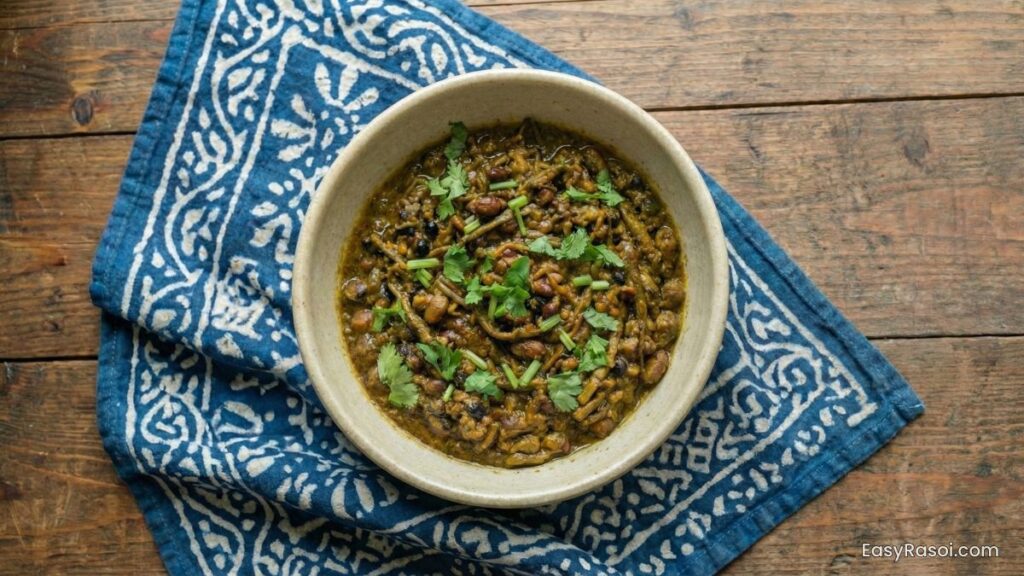
Ker Sangri sabji is a traditional Rajasthani sabji made from two wild desert ingredients. Ker are small, sour berries from the caper bush, and sangri are long, tangy beans from the khejri tree. Both grow naturally in the Thar Desert and are sun-dried for long storage. When cooked together with spices, they create a tangy, slightly chewy curry that pairs beautifully with bajra roti or rice.
This dish is completely vegetarian, naturally vegan, and packed with protein and fiber. Because the ingredients are dried, Ker Sangri stores well and was historically a staple for desert communities where fresh vegetables were scarce. The flavor is bold, tangy, and nothing like your usual sabzi.
About my Authentic Recipe
I learned this recipe from my friend’s grandmother in Jodhpur, who still makes it the old way. The key is soaking the ker and sangri properly to remove bitterness and then cooking them low and slow with a proper tadka. Most restaurant versions skip the soaking or rush the cooking, which leaves the dish too bitter or tough.
My version follows the traditional method but simplifies the spice blend so you can make it without hunting for rare ingredients. The slow bhuna technique brings out the earthy sweetness of the sangri and balances the tang of the ker. I also add a touch of yogurt for creaminess, which is common in many Marwari homes.
This style of cooking without onion or garlic is typical of Rajasthani vegetarian cuisine. The spices do all the work here, and the result is a deeply flavorful dish that holds up for days.
Why You’ll Love This Recipe
You will love this Ker Sangri because it introduces bold, uncommon flavors to your table. The dish is naturally vegan, high in protein, and incredibly shelf-stable. It requires minimal fresh ingredients, making it perfect for meal prep or travel. The tangy, spicy taste is addictive and pairs well with almost any Indian bread. Plus, it is a conversation starter at any meal.
Ingredients and Substitutes
Ker Sangri is sold as a dried mix in Indian grocery stores or online. If you cannot find them together, buy them separately. Soak both well to remove the natural bitterness.
Dry mango powder (amchur) adds tang. If unavailable, use a squeeze of lemon juice at the end instead.
Yogurt or dahi makes the curry creamy. Use thick curd for best results. For a vegan version, skip the yogurt or use plant-based curd.
Mustard oil is traditional and adds a sharp, pungent flavor. You can use any neutral oil, but the taste will be milder.
Red chili powder should be Kashmiri or deggi mirch for color without too much heat. Adjust based on your spice tolerance.
Variations
Vegan Ker Sangri – Skip the yogurt entirely or replace it with coconut milk for richness.
Ker Sangri with Potatoes – Add boiled, diced potatoes in the last 10 minutes for a heartier dish.
Spicy Version – Double the green chilies and add a pinch of garam masala at the end for extra heat.
Onion-Garlic Style – If you do not follow a no-onion diet, add finely chopped onions after the tadka and cook until golden.
Dry Ker Sangri – Reduce the water by half and cook until most moisture evaporates for a drier sabji that works well as a side or in parathas.
Expert Tips for Ker Sangri Sabji
Soak the ker sangri for at least 4 hours or overnight. This step is non-negotiable. It removes bitterness and softens the beans.
Change the soaking water once or twice and rinse well before cooking. The water will turn brown, that is normal.
Do not skip the tadka. The cumin and hing bloom in hot oil and form the flavor base of the dish.
Cook on low heat after adding spices. High heat will burn the spices and make the dish bitter.
Yogurt should be whisked smooth and added off the heat to prevent curdling. Stir constantly when you return the pan to the flame.
Taste and adjust salt at the end. Ker and sangri have natural saltiness that varies by brand.
If the curry feels too tangy, add half a teaspoon of jaggery or sugar to balance the flavors.
Let the dish rest for 10 minutes before serving. The flavors develop and deepen as it sits.
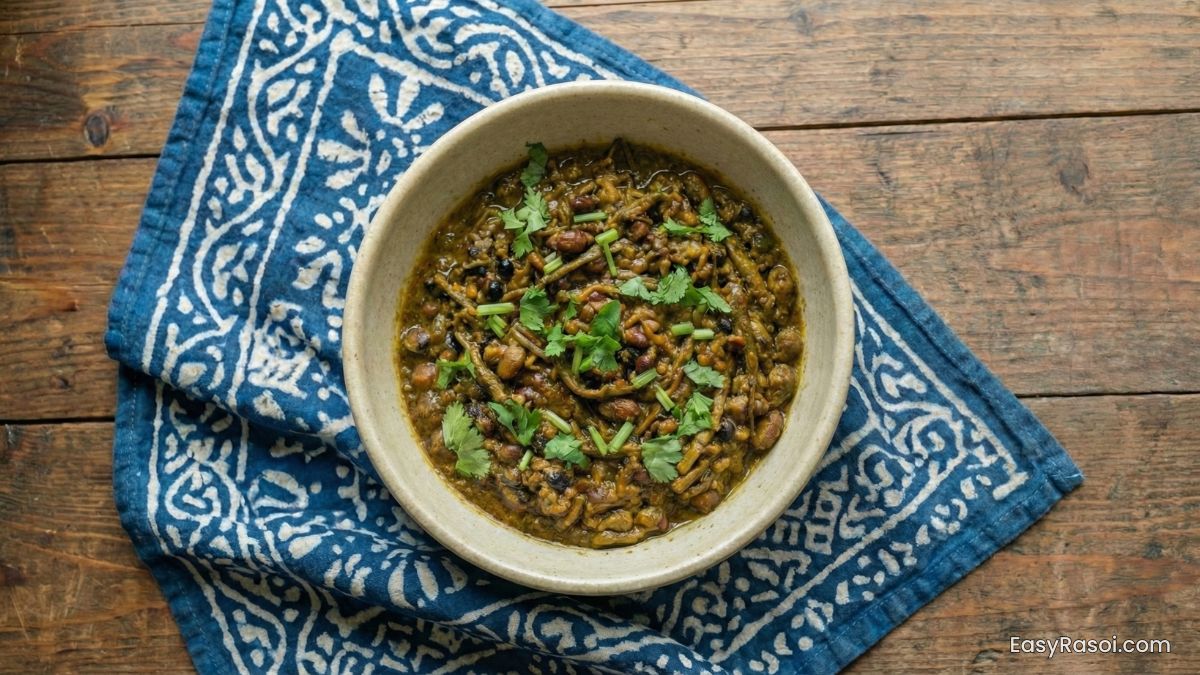
Ker Sangri Recipe – Authentic Rajasthani Desert Dish

Ingredients
For Soaking
- 100 grams ker sangri dried mix
- Water for soaking
For Cooking
- 3 tbsp mustard oil or any cooking oil
- 1 tsp cumin seeds
- 1 pinch hing asafoetida
- 2 green chilies slit lengthwise
- 1 tsp turmeric powder
- 2 tsp coriander powder
- 1 tsp red chili powder
- 1 tsp dry mango powder amchur
- ½ cup yogurt whisked (optional, skip for vegan)
- 1½ cups water
- Salt to taste
- 1 tsp garam masala
- Fresh coriander leaves for garnish
Instructions
- Rinse the ker sangri under running water. Soak in plenty of water for at least 4 hours or overnight. Change the water once or twice during soaking.
- Drain and rinse the soaked ker sangri thoroughly. The beans should feel soft but still have a slight bite.
- Heat mustard oil in a kadhai or heavy-bottomed pan over medium heat. Once the oil is hot, add cumin seeds and let them crackle for 10 seconds.
- Add hing and slit green chilies. Stir for 5 seconds until fragrant.
- Add the drained ker sangri to the pan. Stir well and cook for 3 to 4 minutes on medium heat. This helps remove any remaining rawness.
- Lower the heat and add turmeric powder, coriander powder, red chili powder, and dry mango powder. Mix well so the spices coat the ker sangri evenly. Cook for 2 minutes, stirring constantly to prevent burning.
- If using yogurt, turn off the heat. Add the whisked yogurt and stir quickly to combine. Turn the heat back to low and cook for 2 minutes, stirring continuously.
- Add 1.5 cups of water and salt to taste. Mix well, bring to a boil, then reduce heat to low. Cover and simmer for 20 to 25 minutes until the ker sangri is tender and the curry thickens slightly. Stir occasionally.
- Check if the beans are fully cooked. They should be soft but not mushy. If needed, cook for another 5 minutes.
- Sprinkle garam masala over the curry and mix. Let it simmer uncovered for 2 more minutes.
- Turn off the heat. Garnish with fresh coriander leaves. Let the curry rest for 5 to 10 minutes before serving.
Notes
Common Issues and Solutions
Curry tastes bitter – You did not soak the ker sangri long enough. Next time, soak for at least 6 hours and change the water twice. Add a pinch of sugar to balance the bitterness this time.
Sangri is too hard – The beans need more cooking time. Add a little water, cover, and simmer on low heat for another 10 minutes until tender.
Yogurt curdled – You added yogurt on high heat or did not whisk it properly. Always add yogurt off the heat and stir constantly when you resume cooking. Use room temperature yogurt.
Dish is too tangy – Reduce the amchur powder to half a teaspoon next time. Add a small pinch of jaggery or sugar to balance the acidity now.
Curry is too watery – Simmer uncovered for 5 to 10 minutes until the liquid reduces to your preferred consistency. Alternatively, mash a few beans to thicken naturally.
Spices taste raw – You rushed the bhuna step. Always cook spices on low heat for 2 to 3 minutes after adding them. This removes the raw flavor and deepens the taste.
Serving and Storage Suggestions
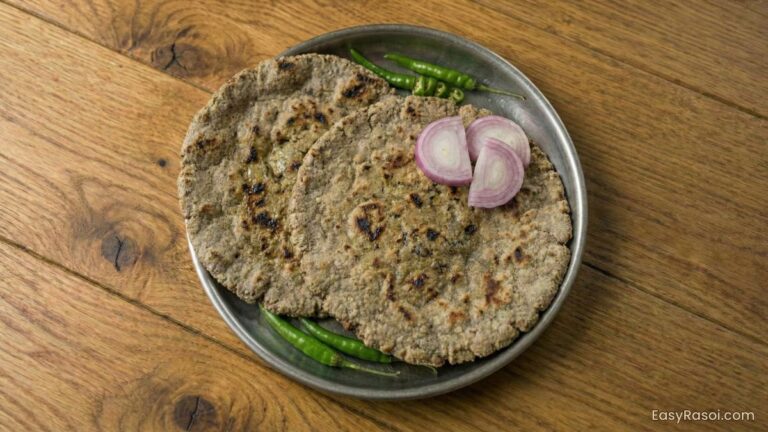
Serve Ker Sangri hot with bajra roti, missi roti, or plain chapati. It also pairs beautifully with jeera rice or ghee-drizzled dal-baati. This dish is ideal for weekend lunches, festive thalis, or when you want to serve something unique to guests. The tangy, earthy flavors work well alongside milder dishes like kadhi or raita.
For beverages, try it with masala chaas (spiced buttermilk) or a simple lassi. Store leftovers in an airtight container in the refrigerator for up to 2 days. Reheat gently before serving. Ker Sangri also freezes well for up to 1 month.
Your Question My Answer
Q1. Can I use fresh vegetables instead of dried ker sangri?
Ans: No, fresh ker and sangri are not commonly available outside Rajasthan, and the dried version has a unique tangy flavor that defines the dish. Stick to dried ker sangri for authentic taste.
Q2. Is ker sangri healthy?
Ans: Yes, ker sangri is high in protein, fiber, and essential minerals. It is naturally low in fat and calories, making it a nutritious addition to any meal.
Q3. How do I know if my ker sangri is properly soaked?
Ans: The beans should feel soft when pressed between your fingers but still have a slight firmness. The water will turn brown during soaking, which is normal. Rinse well before cooking.
Q4. Can I make this dish without yogurt?
Ans: Absolutely. Skip the yogurt for a vegan version. The dish will be slightly less creamy but still delicious. You can add a splash of coconut milk if you want richness.
Q5. Why is my ker sangri turning out bland?
Ans: You may need to adjust the salt and spices. Taste the curry after cooking and add more amchur, red chili powder, or garam masala as needed. Also, ensure your tadka is done properly for a strong flavor base.