
Panchamrit is a divine blend of five pure ingredients that come together to create the most fragrant, creamy prasad offered in Hindu temples and homes during pujas. The sweet milk base, the tang of curd, the floral notes of honey, and the richness of ghee make every spoonful feel like a blessing. I remember my grandmother always kept a small silver bowl of panchamrit ready during festivals, and just one taste would make the whole ritual feel complete. This traditional recipe takes barely 5 minutes but fills your home with devotion and warmth.
What is Panchamrit?
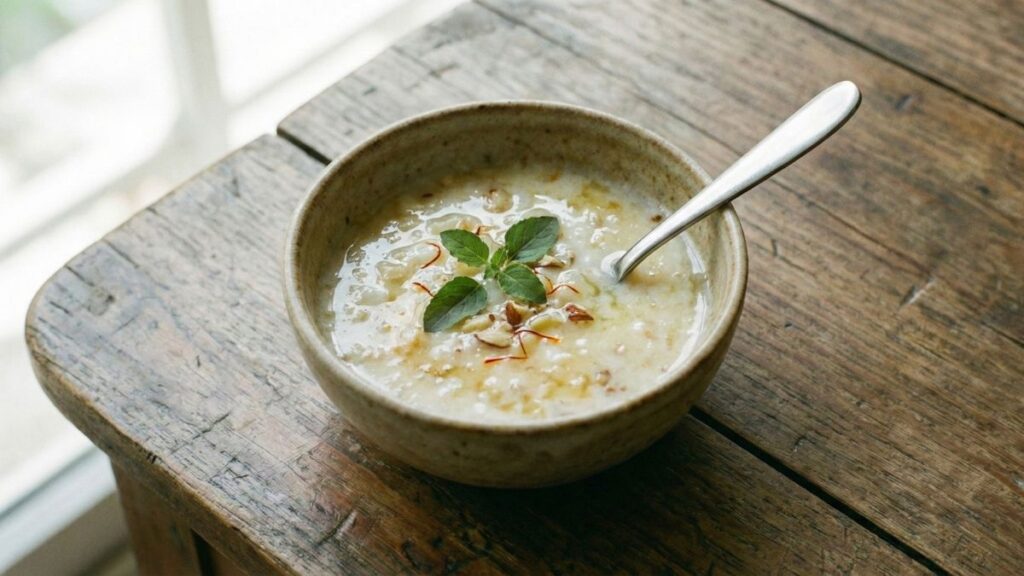
Panchamrit, which literally means five nectars (panch means five, amrit means nectar), is a sacred mixture used in Hindu religious ceremonies and festivals. It combines milk, curd, honey, sugar, and ghee into a sweet, creamy offering that is distributed as prasad after worship.
This sattvic preparation is considered extremely pure and auspicious. You will find it in almost every temple across India, especially during Janmashtami, Navratri, and other festive occasions. The ingredients are simple, but the taste is heavenly, with each element bringing its own texture and flavor to create something truly special.
About My Authentic Recipe
This panchamrit recipe follows the traditional proportions I learned from my mother, who always prepared it fresh for our home mandir every morning. The balance between sweet and tangy is crucial, and getting the consistency just right makes all the difference between a runny mixture and a beautifully thick, spoonable prasad.
The key is using full-fat milk and fresh curd at room temperature, never straight from the fridge. Cold ingredients will separate and never blend smoothly. I also prefer raw honey over processed versions because it adds a deeper floral note that elevates the entire mixture. The ghee should be pure desi ghee, slightly warm so it incorporates seamlessly without forming lumps.
Why You’ll Love This Recipe
Quick and sacred. Ready in under 5 minutes with just five ingredients you likely already have in your kitchen. Perfect for last-minute puja preparations or festival offerings. The creamy, sweet taste with a hint of tanginess makes it appealing even to children. This recipe is completely vegetarian and sattvic, suitable for religious fasting and offerings. You can adjust sweetness to your preference without compromising authenticity.
Ingredients & Substitutes
This recipe calls for full-fat whole milk because it creates the richest, creamiest base. You can use toned milk, but the texture will be thinner. Fresh thick curd (dahi) adds the essential tang, if your curd is too sour, reduce the quantity slightly or use Greek yogurt for a milder taste. Honey must be raw and unheated for religious purity, but if unavailable, use regular honey. Sugar can be white or unrefined, I prefer powdered sugar as it dissolves faster. Pure desi ghee is non-negotiable for authentic flavor, but in a pinch, clarified butter works.
Variations
Fruit Panchamrit – Add finely chopped banana or mashed banana for a thicker, more substantial prasad that children love.
Saffron Panchamrit – Soak 4-5 saffron strands in 1 tablespoon warm milk for 5 minutes, then add to the mixture for a golden color and aromatic flavor.
Dry Fruit Panchamrit – Stir in finely chopped almonds, cashews, and raisins for added texture and richness during special festivals.
Rose Panchamrit – Add 1 teaspoon of rose water for a fragrant twist, especially popular during summer festivals.
Vegan Version – Use plant-based yogurt and coconut milk, replace honey with maple syrup, and use coconut oil instead of ghee (note this is not traditional for religious offerings).
Expert Tips for Panchamrit
Bring all ingredients to room temperature before mixing. Cold curd and milk will not blend smoothly and may curdle.
Mix in a specific order: milk first, then curd, then honey, sugar, and finally ghee. This prevents separation and ensures even distribution.
Whisk gently but thoroughly using a spoon or small whisk. Aggressive stirring creates bubbles that look unappealing in prasad.
Taste and adjust sweetness immediately. Once prepared, panchamrit should be consumed within 2-3 hours as it contains raw milk and curd.
If the mixture looks separated or grainy, add 1-2 tablespoons of warm milk and whisk again to bring it together.
Use a clean, preferably silver or steel bowl for preparation. Traditionally, panchamrit is never made in plastic containers.
For religious offerings, ensure the honey is never heated. Raw honey maintains its sacred properties according to Ayurveda.
Prepare panchamrit fresh each time for puja. It loses its texture and freshness if stored, and should always be made with pure intentions.
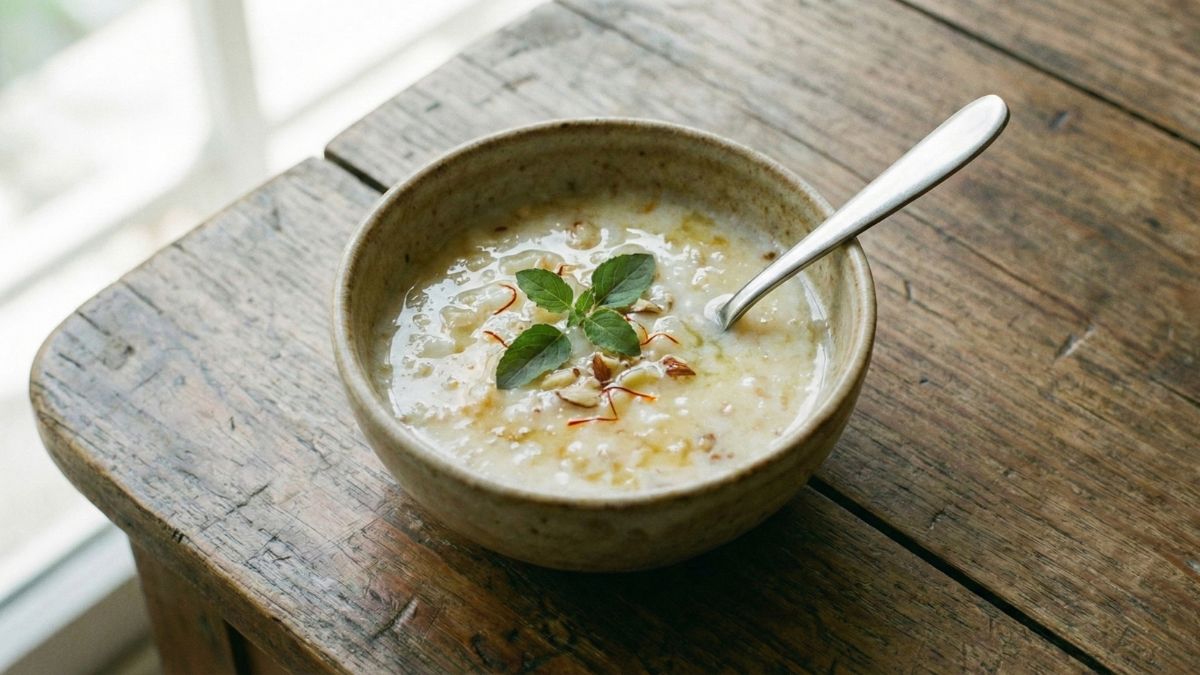
Panchamrit Recipe | Traditional 5 Ingredient Indian Prasad

Ingredients
- ½ cup 120 ml full-fat milk
- 2 tbsp 30 g fresh thick curd (dahi)
- 1 tbsp 15 ml raw honey
- 1 tbsp 12 g powdered sugar
- 1 tsp 5 ml pure desi ghee
Instructions
- Take a clean steel or silver bowl. Pour the milk into it and ensure it is at room temperature for smooth blending.
- Add the fresh curd to the milk. Whisk gently with a spoon until both are combined smoothly without any lumps.
- Add the honey and powdered sugar. Mix well until the sugar dissolves completely and the mixture looks uniform.
- Pour in the ghee last. Stir gently but thoroughly so the ghee blends into the mixture without floating on top.
- Taste and adjust sweetness if needed. The panchamrit should have a creamy, pourable consistency, sweet with a slight tang.
- Offer to your deity immediately or refrigerate covered for up to 2 hours. Bring to room temperature before serving as prasad.
Notes
Common Issues & Solutions
Panchamrit looks curdled or separated – Your ingredients were too cold. Next time, bring everything to room temperature first. To fix now, add 2 tablespoons warm milk and whisk gently until smooth.
Too sweet – Add 1 more tablespoon of curd to balance the sweetness with tang. Alternatively, dilute with 2 tablespoons of milk.
Ghee is floating on top instead of blending – The ghee was too hot or you added it too quickly. Whisk vigorously for 30 seconds to emulsify, or add a tiny splash of warm milk as a binding agent.
Mixture is too thin and runny – You used low-fat milk or watery curd. Add 1 more tablespoon of thick curd and reduce milk by 1 tablespoon next time for a thicker consistency.
Tastes too tangy – Your curd was too sour. Add 1 more teaspoon of honey or sugar to balance. Next time, use fresh, mildly sour curd.
Honey has crystallized in the mixture – Your honey was old or stored in the fridge. Use fresh honey at room temperature, or gently warm it between your palms before adding.
Serving and Storage Suggestions
Panchamrit is served immediately after puja as prasad to all family members and guests. Offer it in small quantities, usually 1-2 tablespoons per person, in small bowls or directly in cupped palms as a blessing.
Best served with: Plain as is, or alongside other prasad items like peda, ladoo, or fresh fruit. During festivals, pair it with chana dal or moong dal halwa for a complete offering.
When to serve: Ideal for morning pujas, Janmashtami celebrations, Navratri, Diwali, Ganesh Chaturthi, or any auspicious occasion requiring traditional prasad.
Storage: Panchamrit should not be stored for long periods. If you must keep it, refrigerate in a covered glass or steel container for a maximum of 2-3 hours. Bring to room temperature before serving, as cold prasad is not traditionally offered.
FAQs
Q: Can I skip any of the five ingredients in panchamrit?
Ans: No, the essence of panchamrit is that it contains all five sacred ingredients. Removing any one changes it from traditional panchamrit to just a milk-based sweet mixture.
Q: Is it okay to use heated or processed honey for panchamrit?
Ans: For religious purposes, raw unheated honey is preferred as Ayurveda considers heated honey toxic. For general consumption, regular honey works fine though it may lack some traditional authenticity.
Q: How long can panchamrit be stored?
Ans: Panchamrit contains raw milk and curd, so it should be consumed within 2-3 hours of preparation. Refrigeration extends this to 4 hours maximum, but freshness and texture are best immediately after making.
Q: Can I make panchamrit vegan for offerings?
Ans: Traditional panchamrit is always dairy-based for Hindu religious offerings. For personal consumption, you can use plant milk and yogurt, but it would not be considered authentic prasad for temple or puja purposes.
Q: Why does my panchamrit separate or curdle?
Ans: The most common reason is using cold ingredients straight from the fridge. Temperature differences cause dairy to separate. Always bring milk, curd, and ghee to room temperature before mixing, and add ingredients in the correct order.