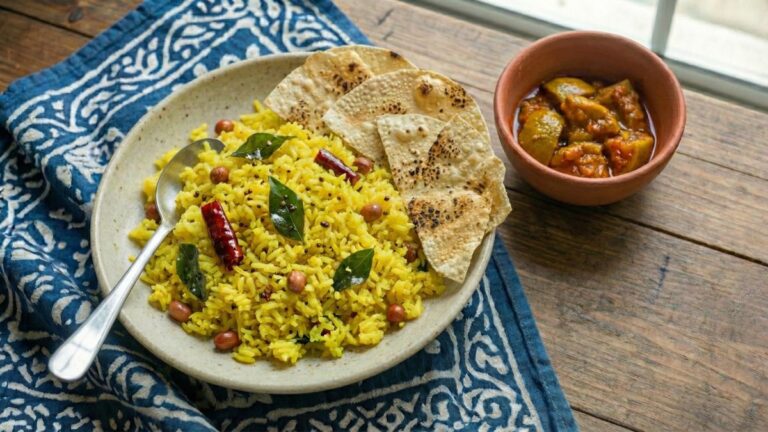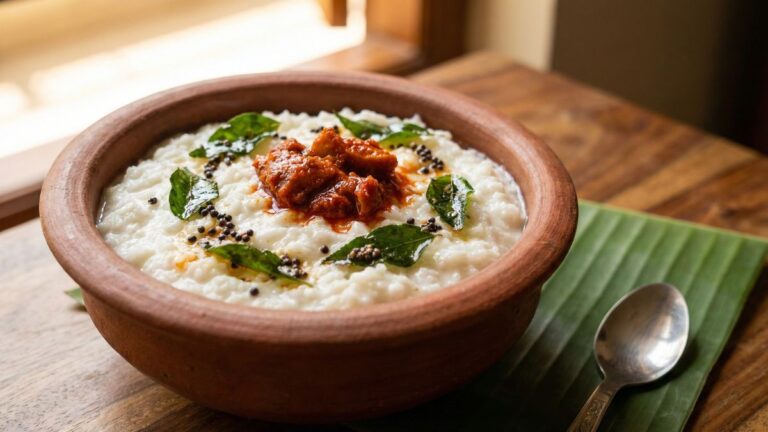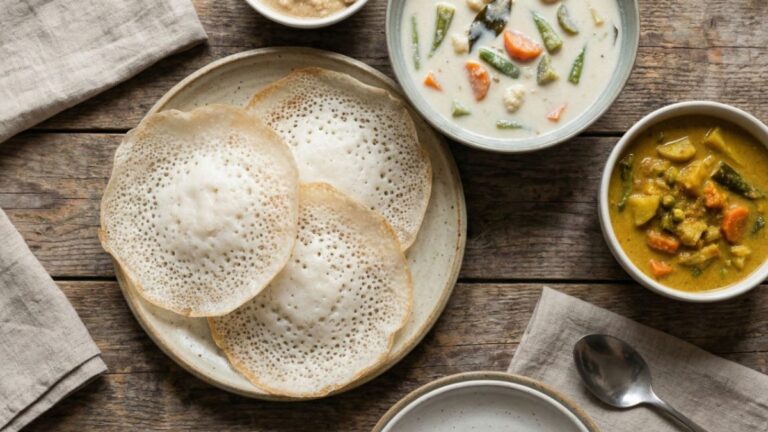

Nothing beats the joy of biting into a fluffy, soft vada dunked in tangy, spiced sambar. This classic South Indian combo is pure comfort in a bowl, especially when served piping hot on a rainy evening or lazy weekend morning. I grew up watching my grandmother make this for Sunday breakfasts, and now it is my go-to when I want something hearty and soul-satisfying. The crispy outside, pillowy inside vadas, soaking up all that flavorful lentil broth, make this dish irresistible.
What is Sambar Vada?
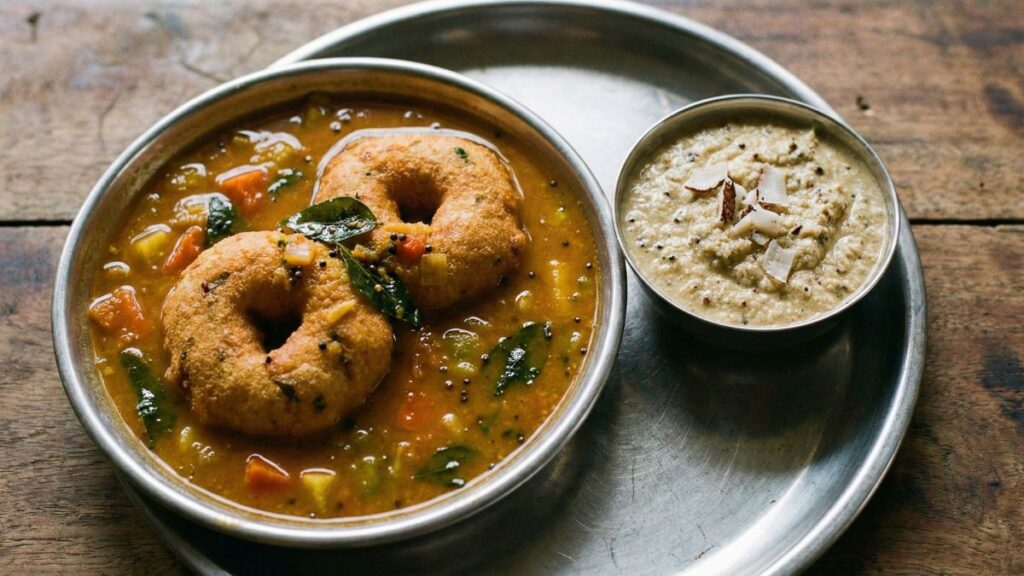
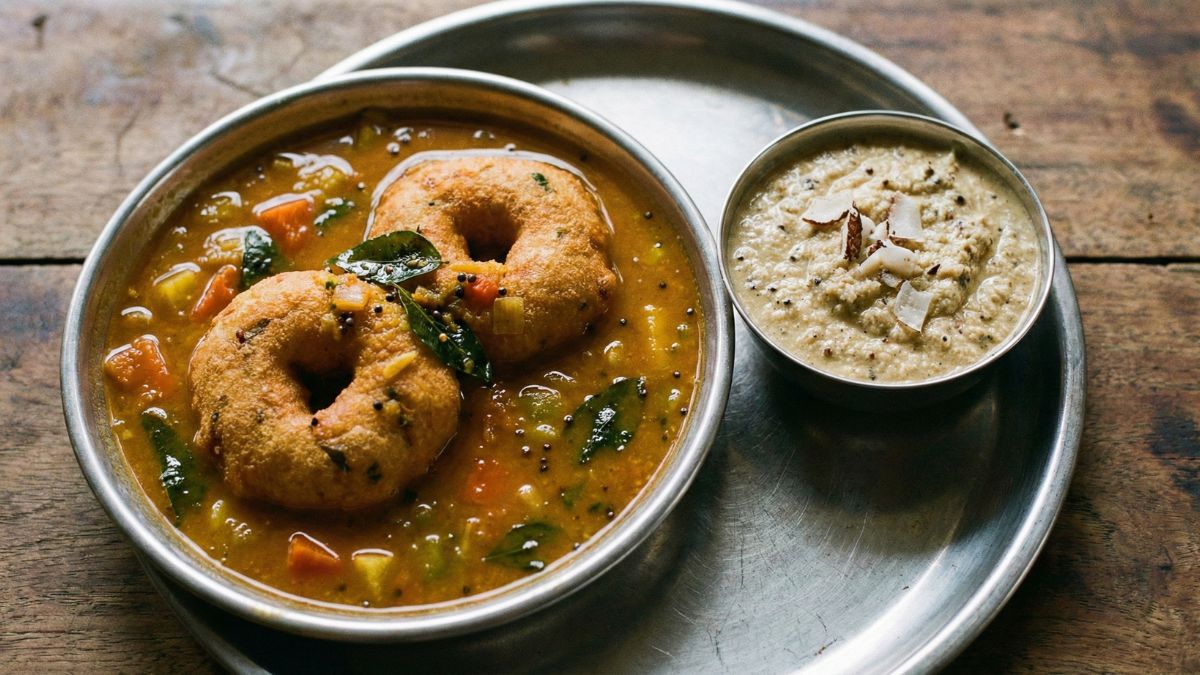
Sambar Vada is a beloved South Indian dish where crispy medu vadas (savory lentil fritters) are soaked in hot sambar (a tangy, spiced lentil and vegetable stew). The vadas soften slightly as they absorb the sambar, creating a perfect balance of textures. This dish is typically enjoyed as a breakfast or evening snack across Tamil Nadu, Karnataka, and Kerala.
The combination is vegetarian, protein-rich, and deeply flavorful with tamarind tang, aromatic spices, and the earthy taste of lentils. It is a complete meal on its own or pairs beautifully with coconut chutney and idli.
About my Authentic Recipe
This recipe stays true to the traditional South Indian method my neighbor’s South Indian family has used for years. The key is getting the vada batter consistency just right so they turn out light and airy, not dense. The sambar uses toor dal as the base with drumsticks, carrots, and tomatoes, tempered with a fragrant tadka that brings everything together.
What makes this version special is the balance between crispy fresh vadas and a sambar that is not too thick or too watery. I roast the sambar masala separately for deeper flavor, and the tempering is done in two stages for maximum aroma. The vadas are fried until golden just before serving, then briefly soaked so they stay soft but not mushy.
Why You’ll Love This Recipe
You will love this Sambar Vada because it brings restaurant-quality flavor to your home kitchen. The vadas are incredibly soft with a slight crispness, and the sambar is packed with vegetables and warming spices. This dish is filling, nutritious, and perfect for weekend brunches or when you want to impress guests. Plus, both components can be prepped ahead, making it easier to serve fresh and hot.
Ingredients & Substitutes
For the vadas, you need urad dal (split black gram), which gives that signature fluffy texture. Do not substitute with other lentils as the texture will not be the same. Curry leaves and green chilies add freshness, while asafoetida (hing) aids digestion.
For the sambar, toor dal (pigeon peas) is essential for the right consistency. Tamarind paste gives the tangy punch, but you can use kokum if tamarind is unavailable. Sambar powder is the spice blend that defines the flavor, available at Indian stores or make your own. Use any seasonal vegetables like drumsticks, carrots, tomatoes, eggplant, or pumpkin. Jaggery balances the tang, but a pinch of sugar works too.
Variations
Dahi Vada Style – Skip the sambar and soak vadas in spiced yogurt with tamarind chutney for a cooling twist.
Mixed Vegetable Sambar – Add okra, beans, radish, or bottle gourd for more variety and nutrition.
Instant Pot Sambar – Pressure cook the dal and vegetables together for 8 minutes on high, then add tamarind and tempering.
Baked Vada – For a healthier option, shape the vadas and bake at 200°C for 20 minutes, flipping halfway, though texture will differ.
Rasam Vada – Swap sambar for tangy rasam for a lighter, soup-like version popular in Tamil Nadu.
Expert Tips for Sambar Vada
Keep the urad dal batter thick and fluffy by whipping it well. Add ice-cold water while grinding for better texture and airiness.
Fry vadas on medium heat so they cook through without browning too fast. The oil should be hot enough that the batter sizzles but does not darken immediately.
Soak vadas in warm water for 2 minutes before adding to sambar. This removes excess oil and helps them absorb the sambar better.
Do not let vadas sit in sambar for more than 10 minutes before serving or they will turn too soggy. Add them just before you bring the dish to the table.
The sambar should be slightly runny, not thick like dal. Adjust consistency with water after cooking.
Always add tamarind extract after the dal is fully cooked. Adding it earlier makes the dal hard and increases cooking time.
Tempering should sizzle and turn aromatic in 30 seconds. Overheating burns the mustard seeds and curry leaves, making them bitter.
Make sambar powder fresh if possible by dry roasting coriander seeds, red chilies, fenugreek, and cumin, then grinding them.
Sambar Vada Recipe – Authentic South Indian Comfort Food

Ingredients
For Medu Vadas
- 1 cup urad dal split black gram, soaked 4 hours
- 2 green chilies chopped
- 1 inch ginger chopped
- 10 curry leaves chopped
- 1/4 tsp asafoetida hing
- Salt to taste
- Oil for deep frying
For Sambar
- 3/4 cup toor dal pigeon peas, soaked 30 minutes
- 2 cups mixed vegetables drumsticks, carrots, tomatoes, eggplant, chopped
- 1 small lemon-sized tamarind ball soaked in 1 cup warm water
- 2 tbsp sambar powder
- 1/2 tsp turmeric powder
- 1 tsp jaggery or sugar
- Salt to taste
- 3 cups water
For Tempering
- 2 tbsp oil or ghee
- 1 tsp mustard seeds
- 1 tsp cumin seeds
- 2 dried red chilies
- 1/4 tsp asafoetida
- 10 curry leaves
- 2 tbsp coriander leaves chopped
Instructions
Making the Vadas
- Drain the soaked urad dal completely. Grind in a mixer with minimal water (2-3 tablespoons) until thick and fluffy. The batter should hold its shape when dropped.
- Transfer to a bowl and whip vigorously with a spoon for 3 minutes to incorporate air. Add chopped green chilies, ginger, curry leaves, asafoetida, and salt. Mix well.
- Heat oil in a kadhai on medium heat. Wet your hands, take a small portion of batter, shape into a ball, flatten slightly, and make a hole in the center with your thumb.
- Slide the vada gently into hot oil. Fry 3-4 vadas at a time until golden brown on both sides, about 4 minutes total. Drain on paper towels.
- Once all vadas are fried, soak them in a bowl of warm water for 2 minutes, then gently squeeze out excess water. Set aside.
Making the Sambar
- Pressure cook toor dal with 2 cups water and turmeric powder for 4 whistles or until completely soft. Mash well and set aside.
- In a separate pot, add chopped vegetables with 1 cup water and cook until tender, about 8 minutes.
- Squeeze the tamarind in warm water and extract the pulp. Strain and discard the solids.
- Add the cooked dal to the vegetables. Pour in tamarind extract, sambar powder, jaggery, and salt. Add 1-2 cups water for desired consistency.
- Bring to a boil, then simmer for 10 minutes until flavors blend and the raw tamarind smell disappears.
Tempering and Assembly
- Heat oil or ghee in a small tadka pan. Add mustard seeds and let them splutter. Add cumin seeds, dried red chilies, asafoetida, and curry leaves. Fry for 20 seconds until aromatic.
- Pour the tempering into the sambar and mix well. Simmer for another 2 minutes.
- Just before serving, gently place the soaked vadas into the hot sambar. Let them sit for 5-8 minutes to absorb the flavors.
- Garnish with fresh coriander leaves and serve immediately.
Notes
- Use a high-speed mixer or wet grinder for the vada batter. Traditional stone grinders give the best texture.
- The hole in the center of the vada ensures even cooking. Without it, the inside may stay raw.
- Sambar can be made ahead and refrigerated for 2 days. Reheat before adding fresh vadas.
- For extra flavor, add a small piece of coconut or a tablespoon of fresh grated coconut to the sambar while cooking.
- If sambar becomes too thick, add hot water to adjust. If too thin, simmer uncovered for 5 minutes.
- Always use fresh curry leaves for tempering. Dried ones lack the aroma and flavor.
- You can make the vada batter the night before and refrigerate. Bring to room temperature before frying.
Common Issues & Solutions
Vadas turn out dense and hard – The batter was too thin or not whipped enough. Use minimal water while grinding and beat the batter vigorously for at least 3 minutes to add air.
Vadas break apart while frying – The oil was not hot enough, or the batter was too loose. Test oil temperature by dropping a small bit of batter. It should rise immediately without spreading.
Sambar tastes too tangy – Too much tamarind was used. Add a bit more jaggery and some cooked dal to balance the sourness.
Sambar is too watery – Simmer uncovered for 10 more minutes to reduce, or add 2 tablespoons of roasted rice flour mixed with water to thicken.
Vadas absorb too much oil – The oil temperature was too low. Maintain medium-high heat and fry in small batches so the temperature stays consistent.
Vadas turn mushy in sambar – They soaked too long. Add vadas only 5-8 minutes before serving, not earlier.
Serving and Storage Suggestions
Serve Sambar Vada hot as a complete breakfast or evening snack. Pair with coconut chutney and a side of crispy papad for added texture. This dish is perfect for weekend brunches, festive mornings, or when you have guests over. The combination is hearty enough to keep you full for hours.
For storage, keep leftover sambar in the fridge for up to 3 days. Vadas are best eaten fresh, but you can store fried vadas separately in an airtight container for a day and reheat in an oven before serving. Do not store vadas soaked in sambar as they will turn too soft. Sambar freezes well for up to a month. Thaw and reheat with a splash of water.
FAQs
Q1. Can I make Sambar Vada without a pressure cooker?
Ans: Yes, cook toor dal in a regular pot with enough water for 40-45 minutes until completely soft and mashable. Stir occasionally to prevent sticking.
Q2. What can I use instead of sambar powder?
Ans: Mix 1 tablespoon coriander powder, 1 teaspoon cumin powder, 1/2 teaspoon red chili powder, a pinch of fenugreek powder, and a pinch of turmeric as a quick substitute.
Q3. Can I use moong dal instead of urad dal for vadas?
Ans: No, moong dal will not give the same fluffy, soft texture. Urad dal is essential for authentic medu vadas.
Q4. How do I make sambar less spicy?
Ans: Reduce the sambar powder to 1 tablespoon and skip the green chilies in the vada batter. Add more jaggery to balance flavors.
Q5. Can I make this recipe vegan?
Ans: Yes, this recipe is already vegan. Just ensure you use oil instead of ghee for tempering and frying.